

Tulsi Gabbard's Resignation Raises Questions on Trump's Policy
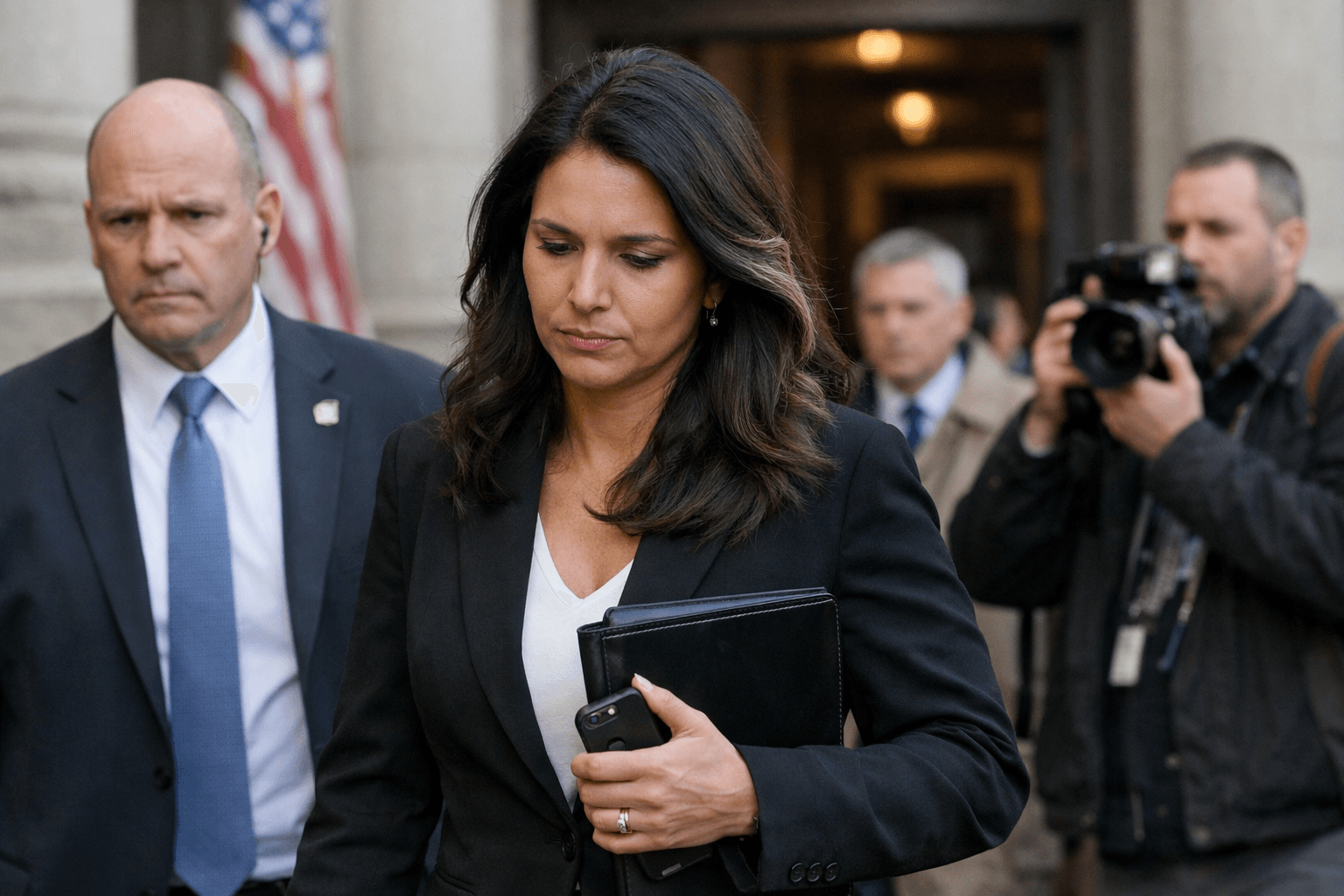
The abrupt departure of Tulsi Gabbard as US Director of National Intelligence has sparked a flurry of speculation, with many wondering about the true circumstances surrounding her resignation. Gabbard, a former Democratic congresswoman, cited her husband's rare bone cancer diagnosis as the reason for her departure, but her reported disagreements with President Trump over the Iran war have led some to question whether she was forced out. As the Trump administration navigates a critical period of foreign policy challenges, Gabbard's resignation has raised more questions than answers, leaving many to ponder the implications for the country's national security. \n\n Gabbard's appointment as Director of National Intelligence was seen as a surprise move, given her Democratic background and previous criticisms of Trump's foreign policy decisions. Her experience serving in Iraq with the Army National Guard had informed her opposition to America's long foreign wars, and her endorsement of conspiracy theories had raised eyebrows among some in the intelligence community. Despite these differences, Gabbard had been a key player in the Trump administration, advising the president on key national security issues. \n\n The circumstances surrounding Gabbard's resignation are complex and multifaceted. According to sources, Gabbard was not in the room when Trump huddled with his top advisors in the immediate run-up to the launch of the joint US-Israeli strikes on Iran on February 28. This has led some to speculate that Gabbard's disagreements with Trump over the Iran war may have contributed to her departure. Additionally, the fact that Gabbard's deputy, Aaron Lukas, will serve as the acting Director of National Intelligence has raised questions about the direction of the US intelligence community. Lukas's background and experience will be closely scrutinized as he takes on the role of advising President Trump on key national security issues. \n\n The human impact of Gabbard's resignation cannot be overstated. Her husband, Abraham Williams, is facing a rare and challenging cancer diagnosis, and Gabbard's decision to step down from her position to care for him highlights the personal sacrifices that public figures often make for their loved ones. The departure of Gabbard may also affect the morale and direction of the US intelligence community, particularly given her reported disagreements with President Trump over key foreign policy issues. \n\n The implications of Gabbard's resignation will be closely watched in the coming days and weeks. With the ongoing conflict with Iran and the recent joint US-Israeli strikes, the US intelligence community will play a critical role in advising President Trump on key national security issues. As Aaron Lukas takes on the role of acting Director of National Intelligence, he will face significant challenges in shaping the country's intelligence community and advising the president on key issues. One thing is certain: the sudden resignation of Tulsi Gabbard has raised more questions than answers, and the true circumstances surrounding her departure will likely remain a topic of speculation for some time to come.