

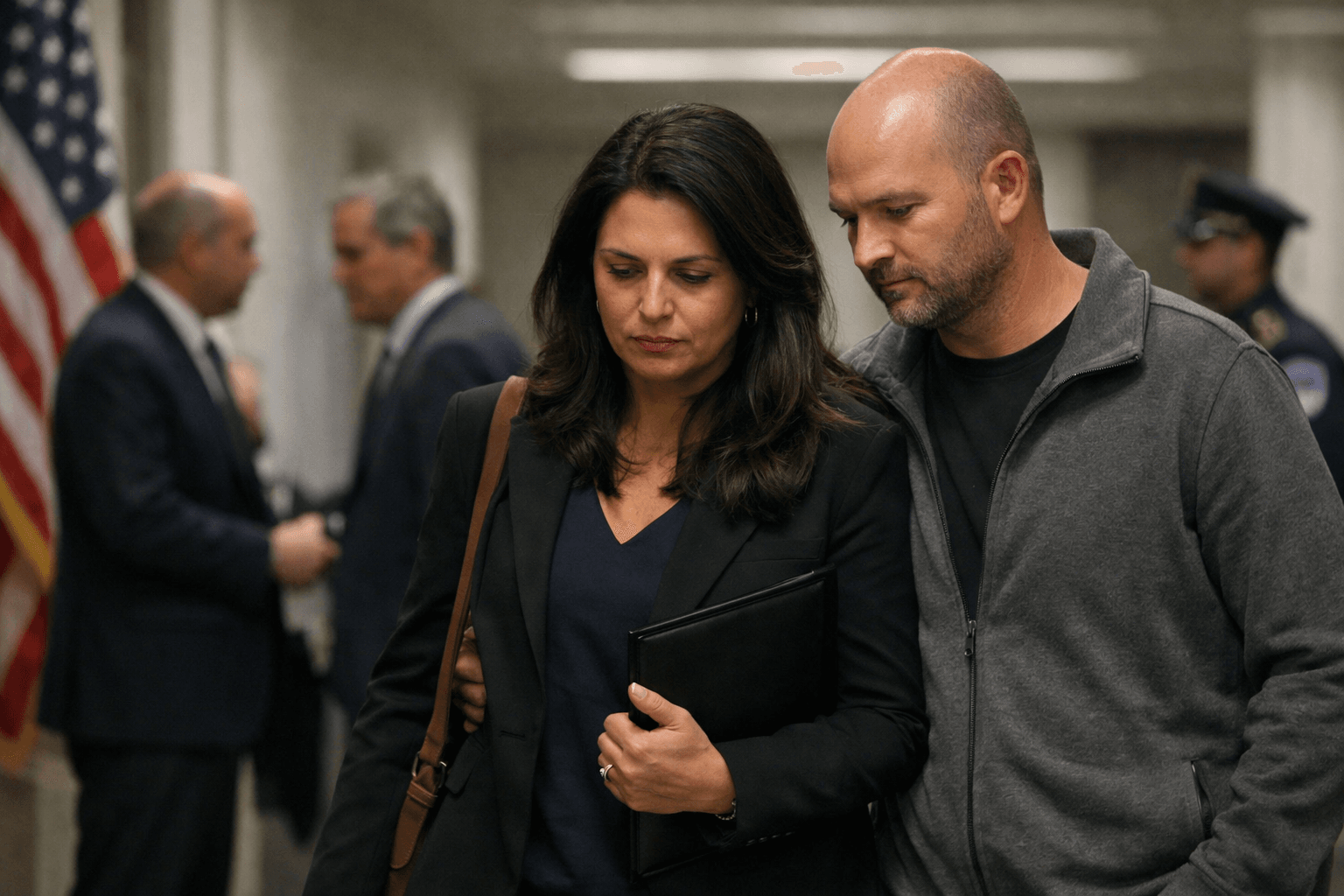
In a surprise move, Tulsi Gabbard, the Director of National Intelligence, has announced her resignation, citing the need to care for her husband, who has been diagnosed with bone cancer. This decision leaves the Trump administration to navigate a critical period in national security without one of its key advisors. Gabbard's resignation, effective June 30th, marks the latest departure from the administration, which has seen a series of high-profile exits in recent months. As the first female Director of National Intelligence, Gabbard brought a unique perspective to the role, having previously served as a Democrat and a vocal critic of US interventionism.
The Director of National Intelligence plays a crucial role in coordinating the US intelligence agencies, providing strategic direction, and advising the President on national security matters. With ongoing conflicts in the Middle East and rising tensions with China, the Trump administration faces numerous national security challenges, making Gabbard's resignation particularly significant. Her departure comes at a time when the administration is already grappling with the complexities of global politics, and her absence may be deeply felt.
Gabbard's resignation will have far-reaching implications for the Trump administration's national security agenda. As a former Democrat, she brought a distinct perspective to the role, often challenging the administration's stance on issues like US interventionism. Her departure may create a power vacuum, allowing other voices to shape the administration's national security policies. The coordination of US intelligence agencies, which Gabbard oversaw, may also be affected, potentially disrupting the flow of critical information to the President. Furthermore, the morale and productivity of the intelligence community may suffer, as staff adjust to the loss of a key leader.
The human impact of Gabbard's resignation extends beyond the administration, affecting her family and the broader public. Her husband's cancer diagnosis will require her care and support, highlighting the personal sacrifices made by high-ranking government officials. The government may need to reexamine its support systems for officials facing similar challenges, ensuring that they can balance their personal and professional responsibilities. As the administration searches for Gabbard's replacement, it will be crucial to find a candidate who can navigate the complex landscape of national security, while also addressing the concerns of the intelligence community.
The resignation of Tulsi Gabbard as Director of National Intelligence will have a lasting impact on the Trump administration's national security agenda, and the country as a whole. As the administration navigates this critical period, it will be essential to find a suitable replacement and ensure a smooth transition, to maintain the stability and continuity of the US intelligence agencies.