

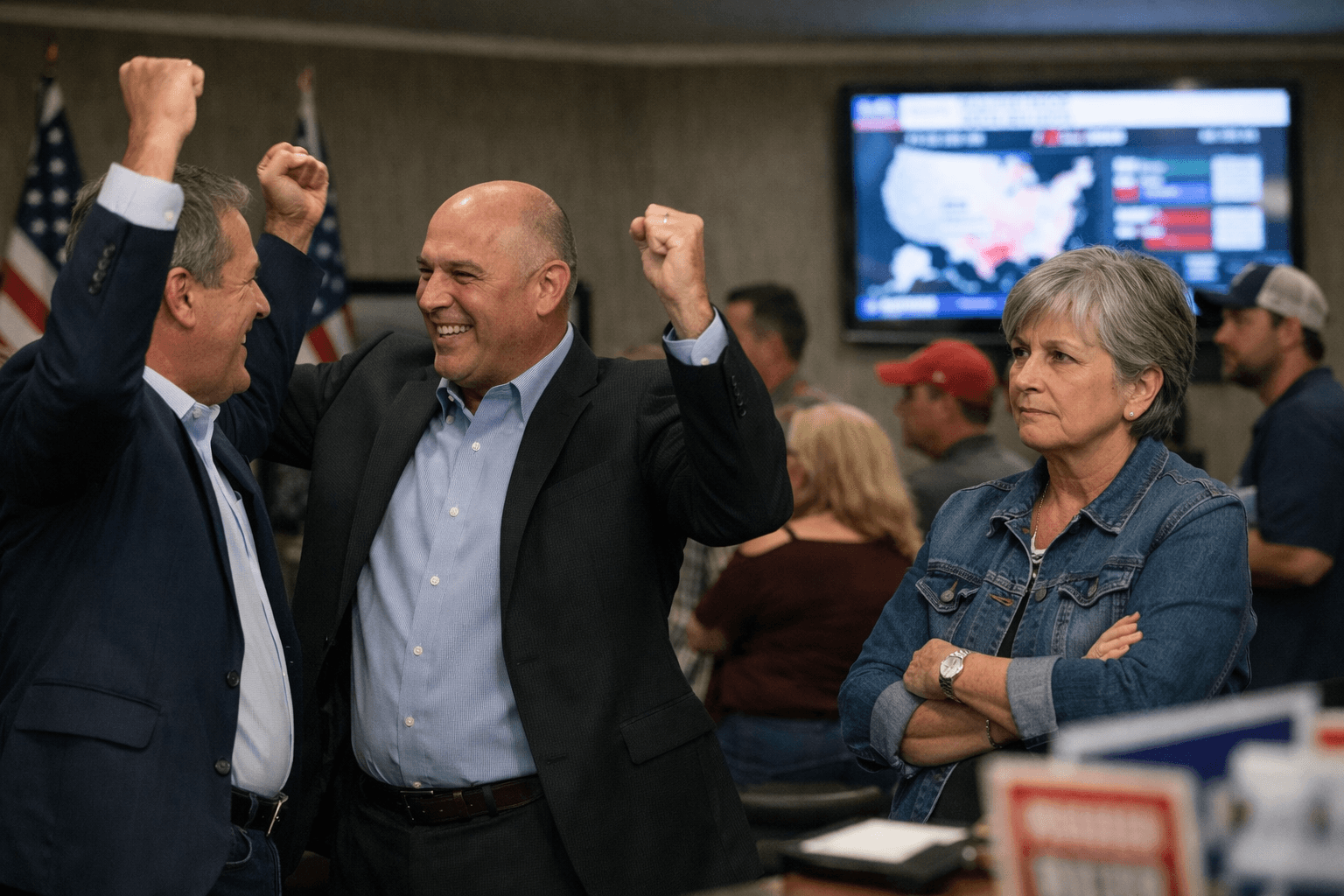
As President Trump's endorsed candidates rack up primary victories, a crucial question emerges: can they translate these wins into general election successes in swing districts and states? The president's 'vengeance tour' has left a trail of defeated Republican incumbents, but the real test lies ahead. With low voter turnout and a polarized Republican base, Trump-backed candidates may struggle to appeal to the broader electorate, including independent voters and Democrats who will play a decisive role in the 2022 midterms. \n\n The 2022 midterm elections will be a referendum on President Trump's influence over the Republican Party, with deep divisions within the GOP exposed during the primaries. Trump loyalists have faced off against more moderate candidates, and the general election will require Trump-backed candidates to appeal to a broader electorate, including independent voters and Democrats who may be skeptical of Trump's brand of politics. \n\n In swing districts like Pennsylvania's 1st Congressional District and Ohio's 9th Congressional District, the balance of power is at stake. Voters in these districts will be affected by the election outcome on issues like healthcare, education, and economic development. A Trump-backed candidate who wins the primary may struggle to appeal to moderate voters in the general election, potentially leading to a Democratic victory and a shift in the district's representation. For example, in Pennsylvania's 1st Congressional District, which includes the suburbs of Philadelphia, a Trump-backed candidate will need to convince voters who may be put off by the president's polarizing brand of politics. \n\n The Democratic National Committee has already begun targeting Trump-backed candidates in swing districts, with a $10 million ad campaign aimed at highlighting their extremist views. Trump's approval rating among independent voters is 42%, according to a recent NBC News poll, which could impact the general election prospects of his endorsed candidates. As the general election heats up, Trump-backed candidates will need to navigate the challenges of appealing to a broader electorate, while also avoiding being tied too closely to the president's polarizing brand of politics. \n\n The midterm elections will reflect the ongoing struggle for control of the Republican Party, with implications for the 2024 presidential election. If Trump-backed candidates struggle to win in swing districts, it could undermine the president's influence over the party and raise questions about his ability to shape the party's agenda. As the general election approaches, one thing is clear: Trump's primary wins are only the beginning, and the real challenge lies ahead.