

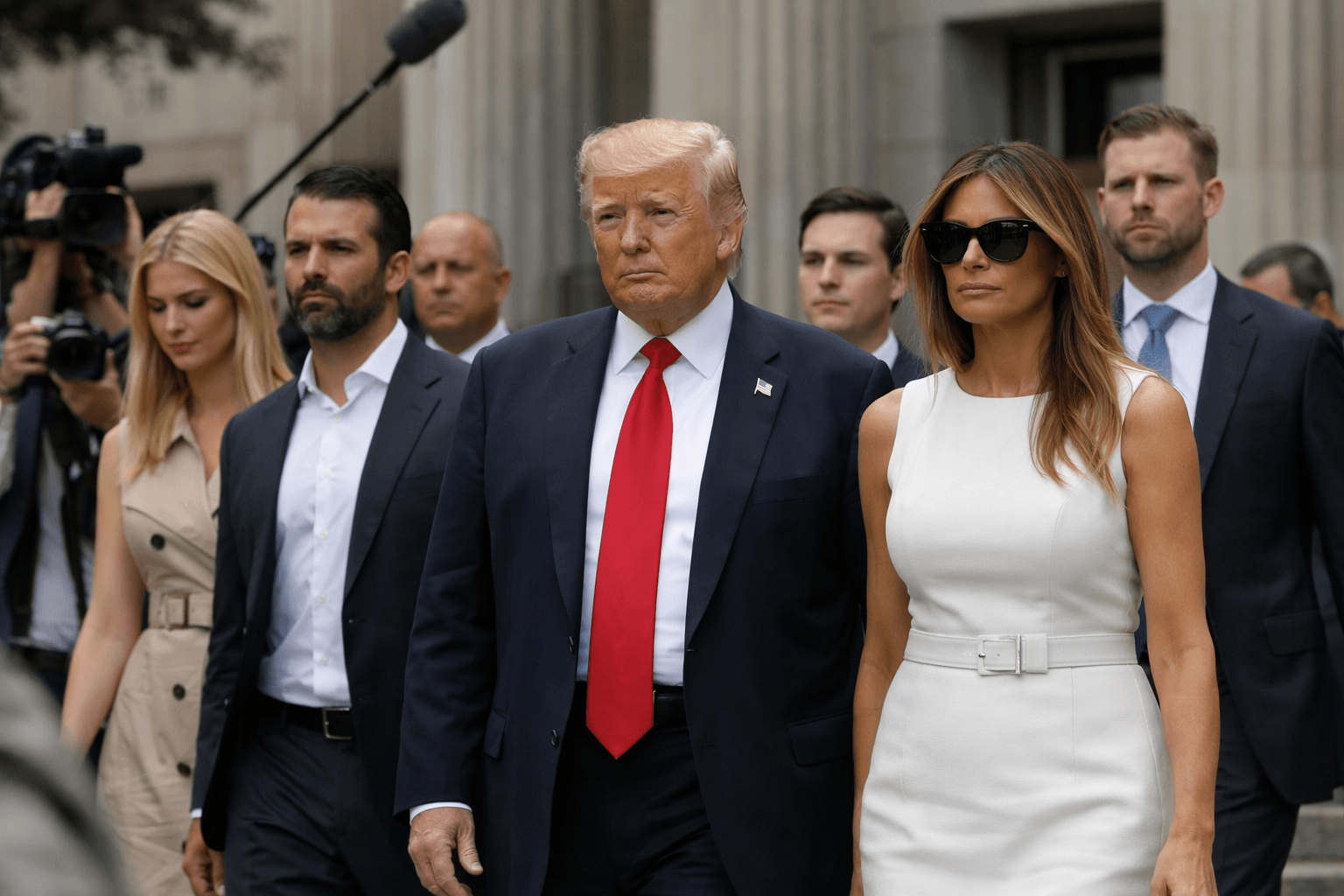
In a shocking move, the Justice Department has granted President Trump and his family sweeping immunity from tax audits, sparking widespread criticism and concerns about the erosion of accountability and the potential for abuse of power. The settlement agreement, which forever bars and precludes the US government from examining or prosecuting President Trump, his sons, and the Trump Organization's current tax issues, has been met with outrage from Democratic lawmakers. This unprecedented decision has raised questions about the rule of law and the separation of powers in the US government. The agreement also establishes a $1.8 billion Anti-Weaponization Fund to compensate victims of government weaponization, a term that has been criticized for being overly broad and vague.
The Trump administration's relationship with the justice system has been contentious, with previous investigations and controversies surrounding tax audits and financial dealings. The president has long been accused of using his power to influence the justice system and protect his family's business interests. This latest development has only added to these concerns, with many wondering what other implications this settlement may have for the country. The settlement comes amidst ongoing debates about the use of government power and the potential for abuse of authority, and it is likely to have far-reaching consequences for the US government and its citizens.
The settlement agreement has specific terms that will impact the Trump family and their business dealings. For example, the agreement grants immunity to President Trump, his sons, and the Trump Organization, effectively shielding them from potential tax liabilities. The Anti-Weaponization Fund will be administered by the Justice Department, which will determine who is eligible for compensation. However, the criteria for eligibility are still unclear, and many are questioning how the fund will be used. The fund has sparked concerns about the politicization of the justice system and the potential for retaliatory measures against perceived enemies of the administration.
The implications of this settlement are far-reaching and have the potential to undermine the rule of law and the separation of powers in the US government. Democratic lawmakers have strongly criticized the move, arguing that it sets a dangerous precedent for future administrations. The settlement may also lead to a surge in claims from individuals and groups who feel they have been unfairly targeted by the government. As the country grapples with the implications of this settlement, one thing is clear: the Trump family's immunity from tax audits has sparked a national conversation about accountability and the rule of law.
The settlement's impact will be felt by the American public, who may perceive the agreement as an erosion of accountability and a threat to the rule of law. As the country moves forward, it is likely that this settlement will be challenged in court, and its implications will be debated for years to come. The question on everyone's mind is: what's next? Will this settlement stand, or will it be overturned? Only time will tell, but one thing is certain: the Trump family's immunity from tax audits has sparked a national conversation about accountability and the rule of law.