

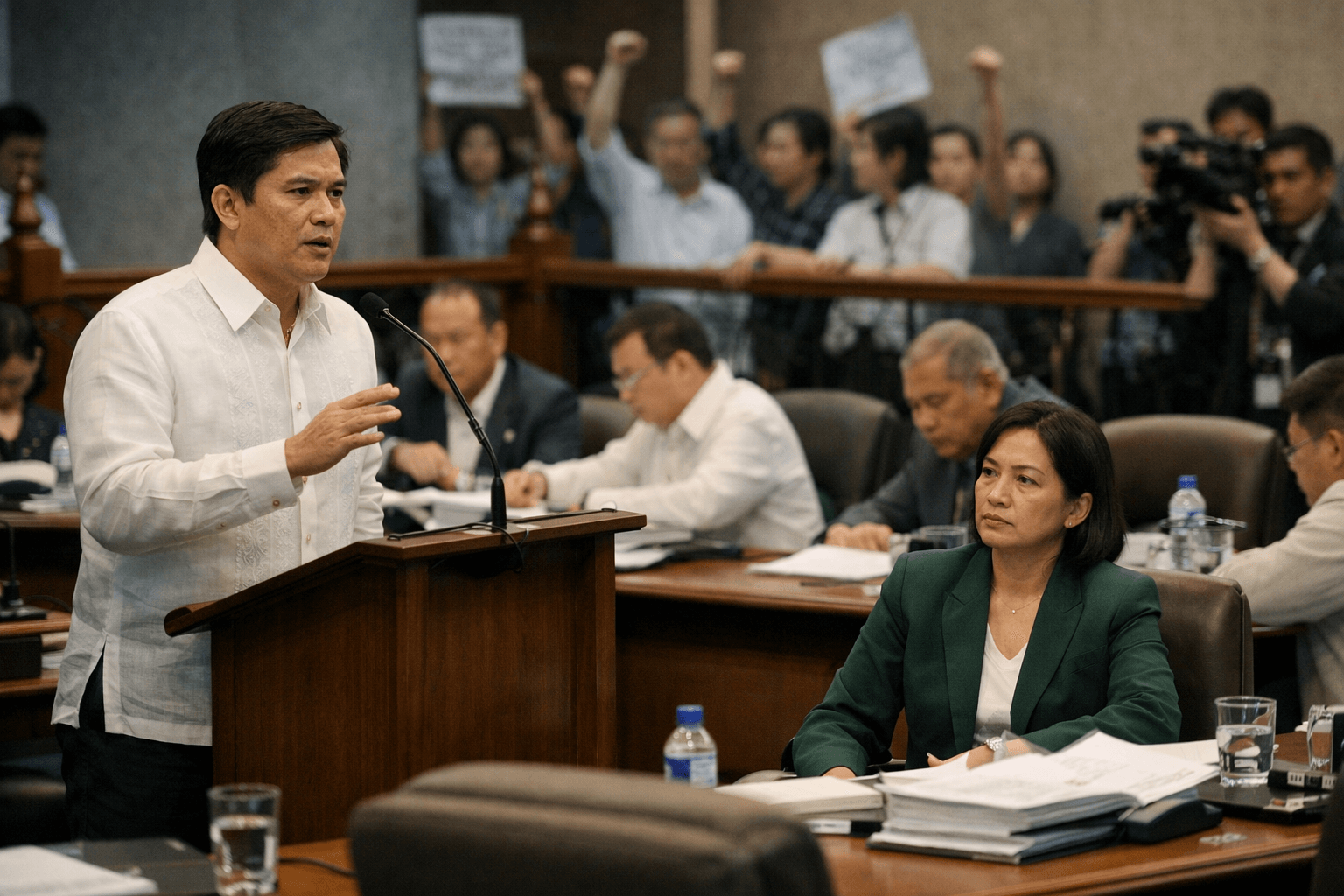
The Philippine Senate has been at the forefront of national discourse with its recent actions and resolutions, prompting a divided reaction from various stakeholders. On one hand, the Senate's approval of emergency powers on fuel excise tax is seen as a crucial step in mitigating the impact of rising crude oil prices on the Philippine economy.
The Philippine Senate's actions demonstrate its commitment to addressing the country's economic and political challenges. Proponents of the Senate's actions argue that the approval of emergency powers on fuel excise tax will provide much-needed relief to Filipino consumers and businesses, who have been grappling with the rising cost of fuel.
However, critics of the Philippine Senate's actions contend that the diplomatic dispute between the Philippines and China has escalated, with the Chinese embassy warning that moves by some Philippine senators could jeopardize economic ties and put millions of jobs at risk. The Philippine Senate's actions may be seen as provocative and could lead to further tensions with China, potentially harming the country's economic interests and relationships with other nations.
## Implications of the Philippine Senate's Actions The recent developments in the Philippine Senate have significant implications for the country's economy, politics, and international relationships. The actions of the Philippine Senate will be closely watched by the public, businesses, and other nations, particularly China, which has been a major trading partner and investor in the Philippines.
As the situation continues to unfold, the country is bracing itself for the potential consequences of the Philippine Senate's actions, which could have far-reaching impacts on the economy, politics, and international relationships. The outcome of these developments will have a direct impact on the lives of millions of Filipinos, making it a critical issue that requires careful consideration and balanced reporting.