

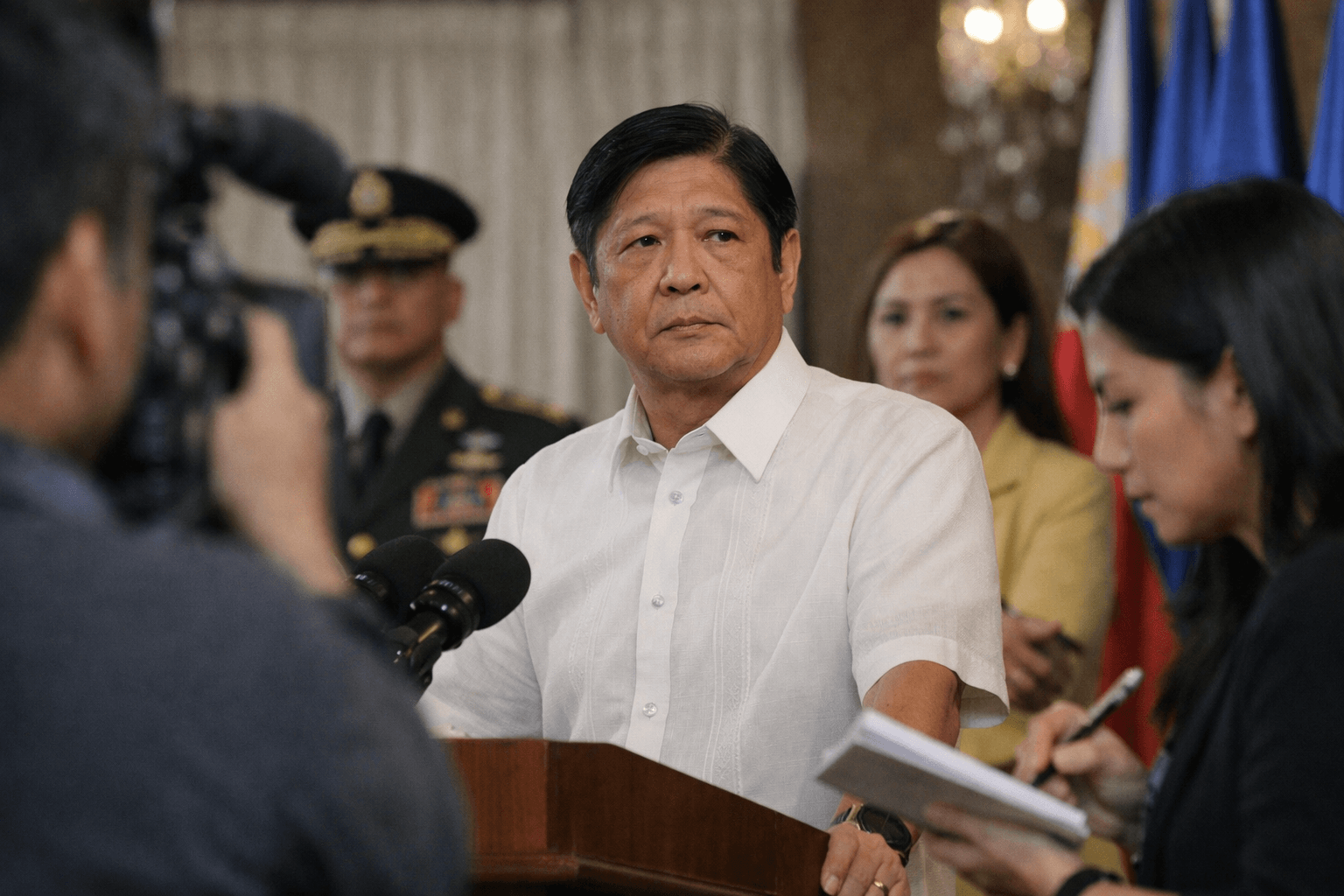
The Philippine government, led by President Ferdinand Marcos Jr, is facing intense scrutiny both domestically and internationally, with debates surrounding its legitimacy and implications on the country's politics, economy, and international relations. On one hand, some argue that the current administration has made significant strides in promoting the country's interests and engaging with the global community. On the other hand, critics point to the legacy of corruption and impunity that has plagued the country's politics, as well as the persistence of political dynasties that have hindered genuine reform. As the country navigates its complex post-colonial history and regional geopolitics, the government's leadership and governance are under the microscope.
The Philippines has a rich history of producing influential leaders who have shaped the country's politics and economy, with notable figures like Manny Pacquiao bringing international recognition and pride to the country through their achievements. The current political landscape is also marked by a sense of dynamism and engagement, with events like the Senate gunfire incident sparking debates about accountability and transparency in government. Moreover, the country's strategic location and growing population make it a significant player in Southeast Asian politics and economy, with the potential to exert considerable influence in regional affairs. By leveraging its unique position, the Philippine government can promote its interests and assert its sovereignty in the face of competing regional powers.
However, the legacy of Rodrigo Duterte's presidency has been marred by controversies, with critics arguing that his administration perpetuated a culture of corruption and impunity. The current government is also facing criticism for its handling of issues like the South China Sea dispute, with some arguing that it is not doing enough to assert the country's interests. Furthermore, the persistence of political dynasties in the Philippines is seen as a major obstacle to genuine reform, with many calling for President Marcos Jr to dismantle this system and promote greater transparency and accountability in government. The concerns about corruption, impunity, and political dynasties have sparked intense debates about the government's legitimacy and its ability to promote the country's interests.
The Philippines is a country with a complex history and a strategic location, making its political stability and governance crucial for its economic development, regional relationships, and global influence. The country's growing population and rich natural resources make it an attractive destination for foreign investment, but the persistence of corruption and impunity has hindered its ability to realize its full potential. As the Philippine government navigates its complex relationships with regional powers like China, it must balance its desire for economic cooperation with its need to assert its sovereignty and promote its interests.
As the Philippine government faces increasing scrutiny, both domestically and internationally, the stakes are high for the country's future. The government's ability to promote transparency, accountability, and good governance will be crucial in determining its legitimacy and its ability to exert influence in regional affairs. The role of international organizations, civil society, and the media will be critical in promoting these values and holding the government accountable for its actions. Ultimately, the future of the Philippines hangs in the balance, as the country navigates the complexities of its post-colonial history, regional geopolitics, and domestic politics.