

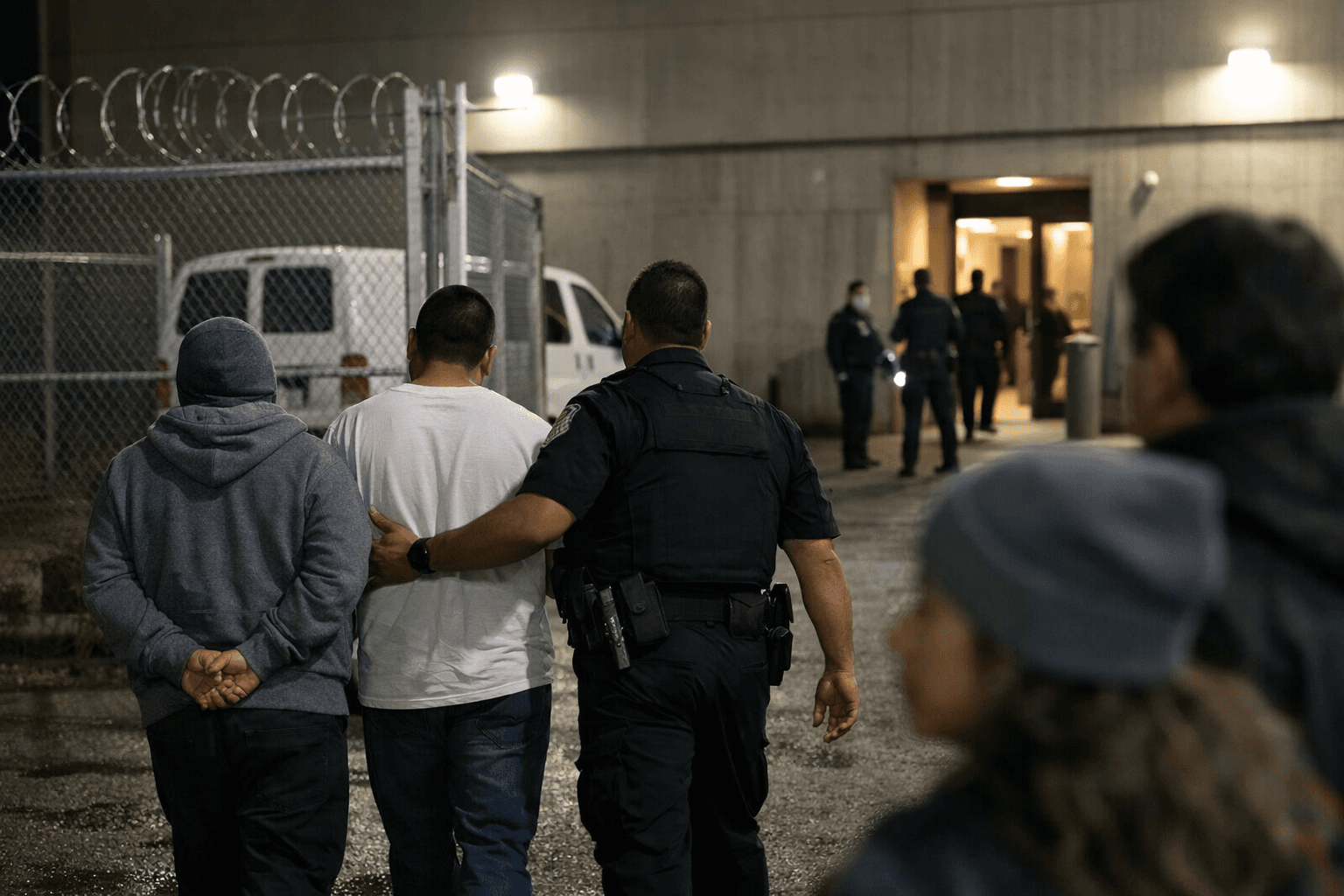
A 9 p.m. to 6 a.m. curfew is now in effect at the Newark ICE Detention Center in New Jersey, following days of protests and clashes between demonstrators and police. The situation has become a flashpoint in the national debate over immigration policy and the treatment of detainees, with potential implications for those being held and the broader community.
The protests outside the detention center have entered their 10th day, with family visitation having been suspended but since resumed. Clashes between protesters and police have resulted in arrests, and a group of pro-ICE protesters faced off with demonstrators supporting detainees. Newark's mayor implemented the curfew after several days of protests and clashes, aiming to maintain order.
The detention center has been a focal point for tensions between protesters, police, and detention center authorities. The detainees, their families, and the local community are directly affected by the protests, clashes, and the implementation of the curfew. The situation also has implications for the national debate on immigration policy. A key question remains: what are the specific conditions inside the detention center that protesters are objecting to?
The lack of detail on these conditions and the absence of a clear statement from the detention center authorities have contributed to the ongoing tensions. As the curfew continues, the long-term implications of the protests and the curfew for the local community and the national immigration debate are still unclear. The resumption of family visitation is a significant development, but the underlying issues that sparked the protests remain unresolved.
The curfew is the latest development in a situation that has been escalating for days. The protests and clashes have brought attention to the detention center and the treatment of detainees, but a resolution to the issues at hand has yet to be reached.