

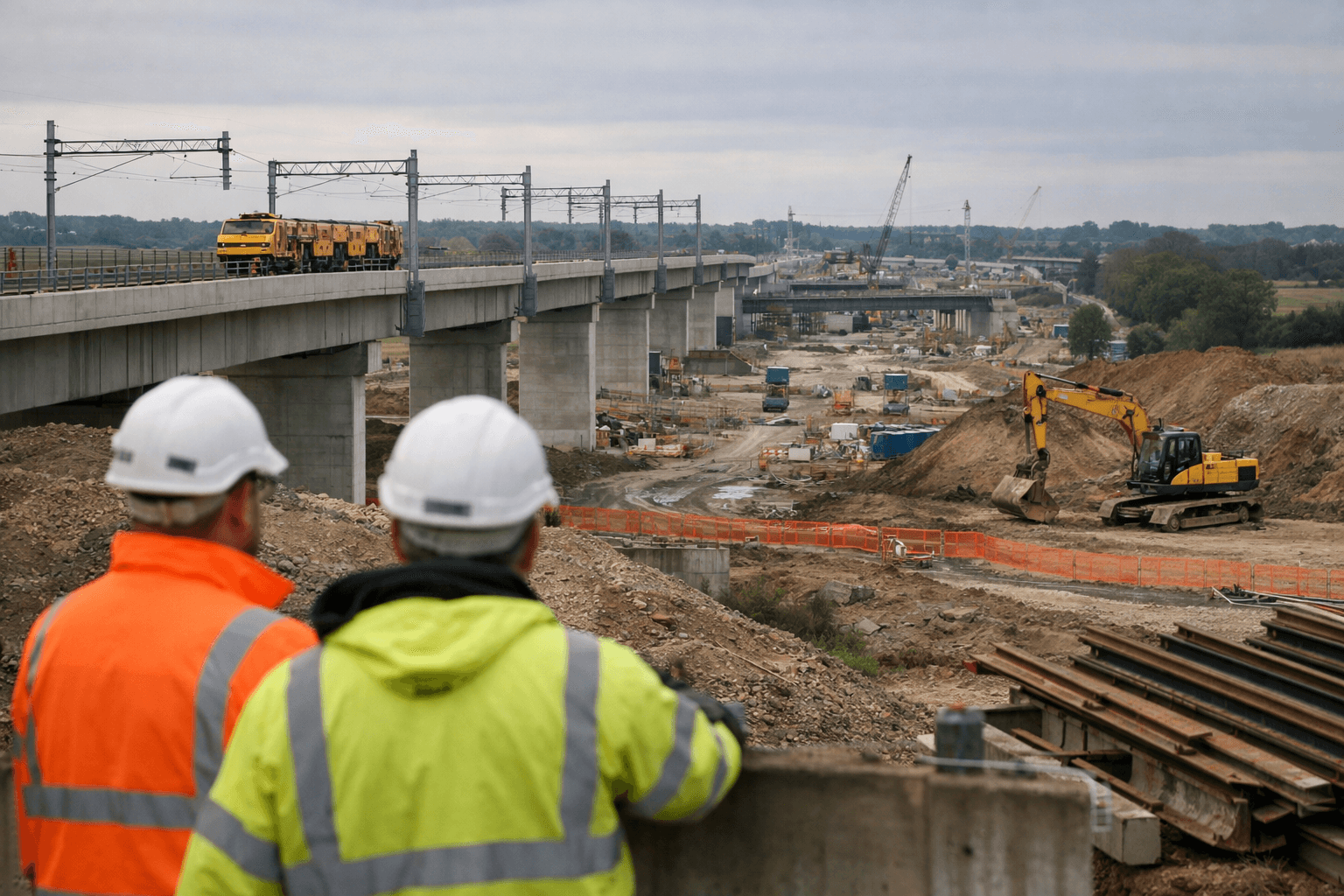
The UK's most ambitious infrastructure project, the High Speed 2 line, is teetering on the brink of collapse as costs skyrocket to a staggering £102.7 billion and train speeds are expected to be slower than promised. Despite the recent setbacks, a full HS2 line could still be built, albeit with significant changes to its timeline and scope. The question on everyone's mind is: can the HS2 line still be built, and at what cost to the taxpayer and the environment? With the project's completion date pushed back to 2039, commuters and taxpayers are left wondering if the benefits will outweigh the expenses. \n\n The HS2 project was initially conceived as a high-speed rail line connecting London to Birmingham, Manchester, and Leeds, with the goal of reducing travel times, increasing capacity, and promoting economic growth in the regions. However, the project has been plagued by delays, cost overruns, and controversy over its route and environmental impact. The recent reset of the project is an attempt to get the project back on track, but it raises questions about the project's overall viability and value for money. \n\n The estimated cost per mile of the HS2 line is significantly higher than other similar high-speed rail projects, with some estimates suggesting it could be as much as 50% more expensive than comparable projects in Europe. The reduced train speeds, which will be slower than the initially planned 225 miles per hour, will also impact travel times, making the journey from London to Birmingham approximately 30 minutes longer than expected. Furthermore, the project's phased rollout, with different sections of the line opening at different times, will cause continued disruptions to commuters and local residents. For example, the construction of the line will require the demolition of several homes and businesses, leaving many families and entrepreneurs facing uncertainty about their future. \n\n The impact of the project's delays and cost overruns will be felt by various stakeholders, including commuters who will face continued delays and disruptions to their travel plans, local residents and businesses who will be impacted by the construction and operation of the line, and taxpayers who will foot the bill for the project's significant cost overruns. However, the project will also create jobs and stimulate local economies, with thousands of workers employed in the construction and rail industries. For instance, the project will create opportunities for local businesses to provide services and supplies to the construction teams, injecting much-needed capital into the local economy. Additionally, the project will also provide a boost to the UK's transport infrastructure, reducing congestion on the roads and improving air quality. \n\n As the project moves forward, the government will need to carefully consider the implications of the changes to the project's timeline and scope, and ensure that the benefits of the project outweigh the costs. The Transport Secretary has confirmed that the project will not be completed until 2039, with a phased rollout of the different sections of the line. With the project's future hanging in the balance, one thing is certain: the UK's transport infrastructure and economic development will be impacted, for better or for worse. The fate of the HS2 line remains uncertain, leaving commuters, taxpayers, and local residents waiting to see if the project will ultimately be completed, and at what cost.