

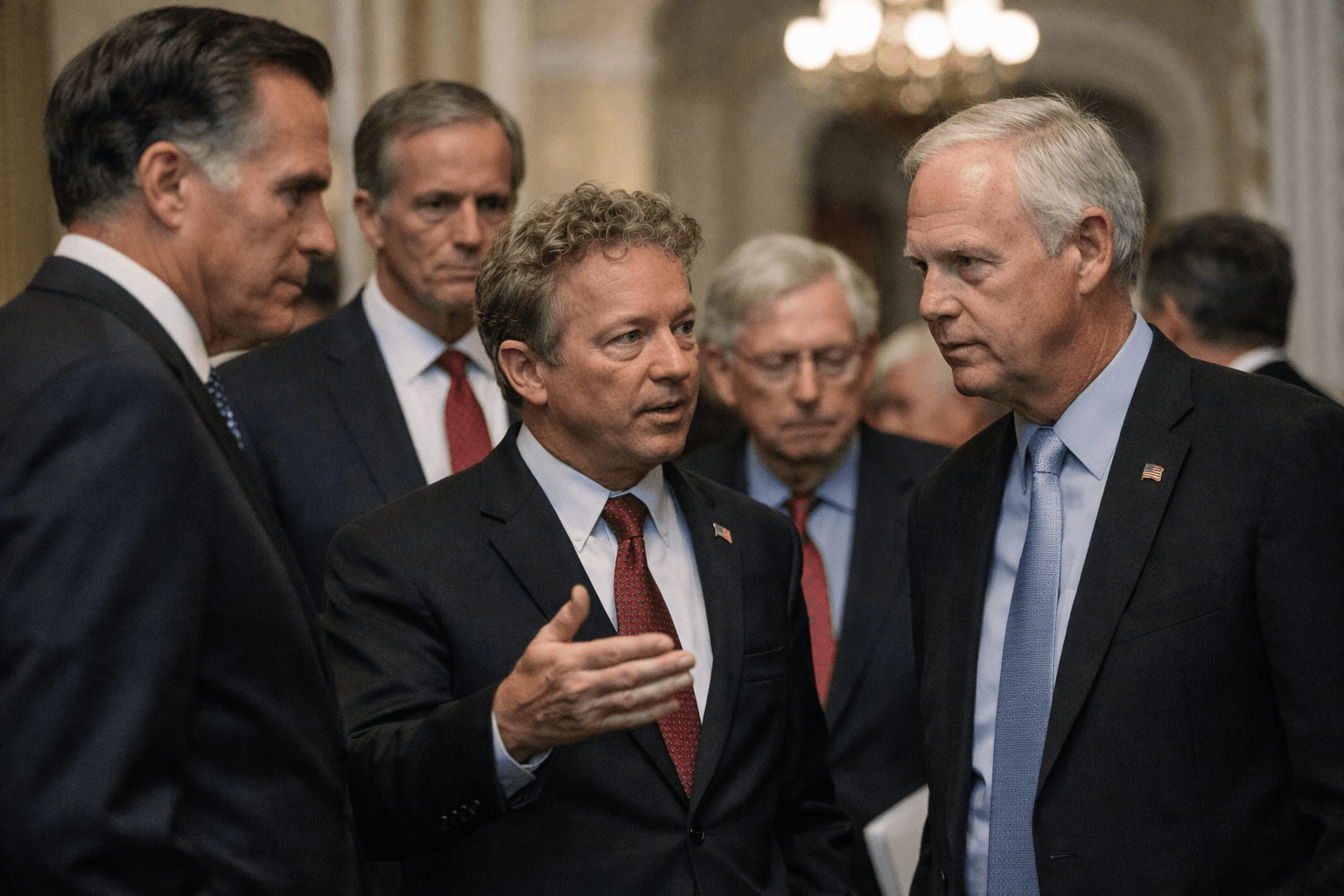
In a rare display of defiance, Republican senators have abandoned a planned vote on President Trump's $1.8 billion 'anti-weaponization' fund, exposing a deepening rift within the party and raising questions about the President's ability to push through his agenda. The fund, which aims to compensate Trump allies who claim they were unfairly prosecuted by the Biden administration, has sparked intense debate among lawmakers. The delayed vote on an immigration bill, which was scheduled ahead of the Memorial Day recess, has significant implications for the lives of immigrants and asylum seekers waiting for a decision on their status.
The current political climate in the United States is marked by tensions between the Republican Party and the Biden administration, with the 'anti-weaponization' fund being a response to the perceived persecution of Trump allies. The fund is intended to support individuals who claim they were targeted by the Biden administration, including those involved in the January 6th Capitol riot. For instance, the fund may provide compensation to individuals like Roger Stone, who was convicted of obstructing the investigation into Russian interference in the 2016 election.
The specifics of the 'anti-weaponization' fund are still unclear, but it is expected to allocate funds to individuals who can prove they were unfairly prosecuted. The fund's eligibility criteria and allocation process have not been publicly disclosed, leaving many questions unanswered. The delayed vote on the immigration bill, on the other hand, may have significant consequences for the lives of immigrants and asylum seekers. The bill's fate remains uncertain, and the Republican Party's stance on immigration is likely to face scrutiny in the coming weeks. The party's dissent against President Trump's proposal may also have implications for his influence over the party in the future.
The Biden administration is likely to respond strongly to the 'anti-weaponization' fund, which may be seen as an attempt to undermine the ongoing investigations into Trump allies. The administration may argue that the fund is an attempt to politicize the justice system and interfere with the rule of law. As the debate over the 'anti-weaponization' fund continues, the Republican Party's internal conflicts and power struggles are likely to come under increasing scrutiny. The party's ability to unite behind President Trump's agenda will be tested in the coming weeks, and the outcome may have significant implications for the future of the party.
The implications of the Republican Party's dissent against President Trump's proposal are far-reaching, and the party's future hangs in the balance. As the situation continues to unfold, one thing is clear: the 'anti-weaponization' fund has exposed a deepening rift within the Republican Party, and the consequences of this divide will be felt for weeks to come.