

North Korea: Missiles with cluster-bomb warheads among those tested
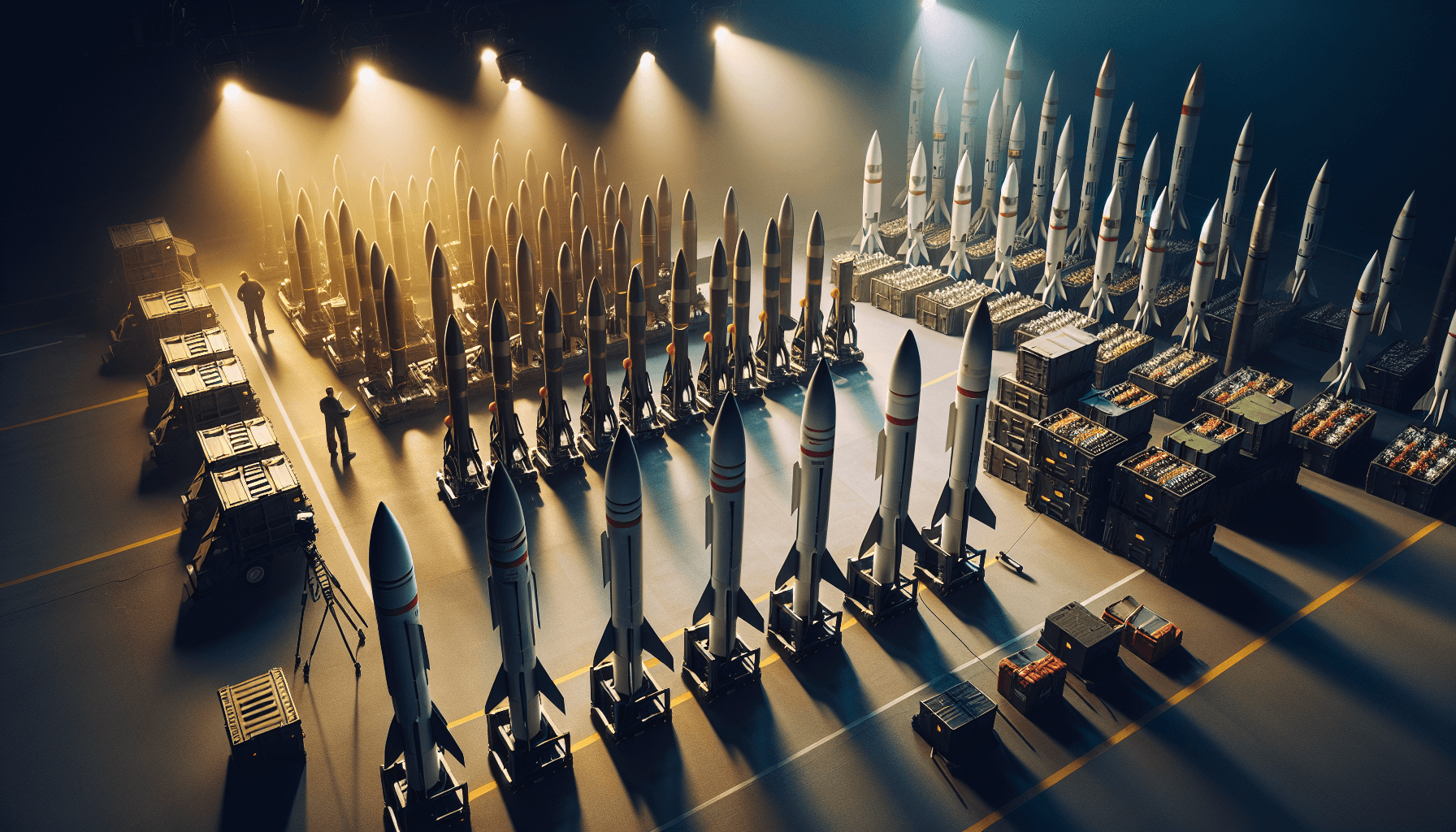
North Korea's Escalating Arsenal Sparks Regional Fears
In a concerning display of military prowess, North Korea has conducted a series of tests showcasing its expanding arsenal, including ballistic missiles armed with cluster-bomb warheads. The three-day testing spree, which began on Monday, has raised questions about the country's intentions and the implications for regional and global security. As the international community grapples with the potential consequences of North Korea's escalating military capabilities, one thing is clear: the stakes have never been higher. The tests demonstrate a disturbing trend, with North Korea drawing inspiration from international conflicts such as the Iran war and Russia's war against Ukraine.
The recent tests are part of a broader pattern of escalating tensions between North Korea and its neighbors, particularly South Korea and the United States. North Korea's nuclear program and missile development have been a major concern for the international community, with the country having conducted numerous tests in recent years. The country's leader, Kim Jong Un, has been seeking to expand his military capabilities and break out of international isolation, while also pursuing closer ties with countries like Russia and China.
The tests themselves were a showcase of North Korea's advancing military technology, with demonstrations of anti-aircraft weapons, purported electromagnetic weapons systems, and carbon-fiber bombs. The cluster-munition warhead systems, mounted on the nuclear-capable Hwasong-11 ballistic missiles, are designed for low-altitude, maneuverable flight to evade missile defense systems. The missiles launched on Wednesday flew 240 to 700 kilometers before falling into the sea, with at least one projectile launched on Tuesday from an area near the North Korean capital Pyongyang. Japan's Defense Ministry confirmed that none of the weapons fired on Wednesday entered waters within its exclusive economic zone, while the United States military stated that the launches posed no immediate threat to the US or its allies.
The humanitarian consequences of North Korea's use of cluster-bomb warheads and other advanced weaponry are a major concern, with the potential for widespread civilian casualties and damage to infrastructure. The tests also undermine hopes for warmer relations between North and South Korea, with the North's Foreign Ministry labeling the South as its "most hostile enemy state". As the international community struggles to respond to North Korea's escalating military capabilities, diplomatic efforts will be crucial in de-escalating tensions and preventing a catastrophic conflict. The role of China and Russia will be particularly important, as their relationships with North Korea will impact regional and global security.
The world watches with bated breath as North Korea continues to push the boundaries of its military capabilities, leaving many to wonder what the country's ultimate goal is and how it plans to use its expanding arsenal. One thing is certain: the stakes have never been higher, and the international community must work together to mitigate the risks and prevent a devastating conflict.