

Iran's supreme leader says does not seek war in written message
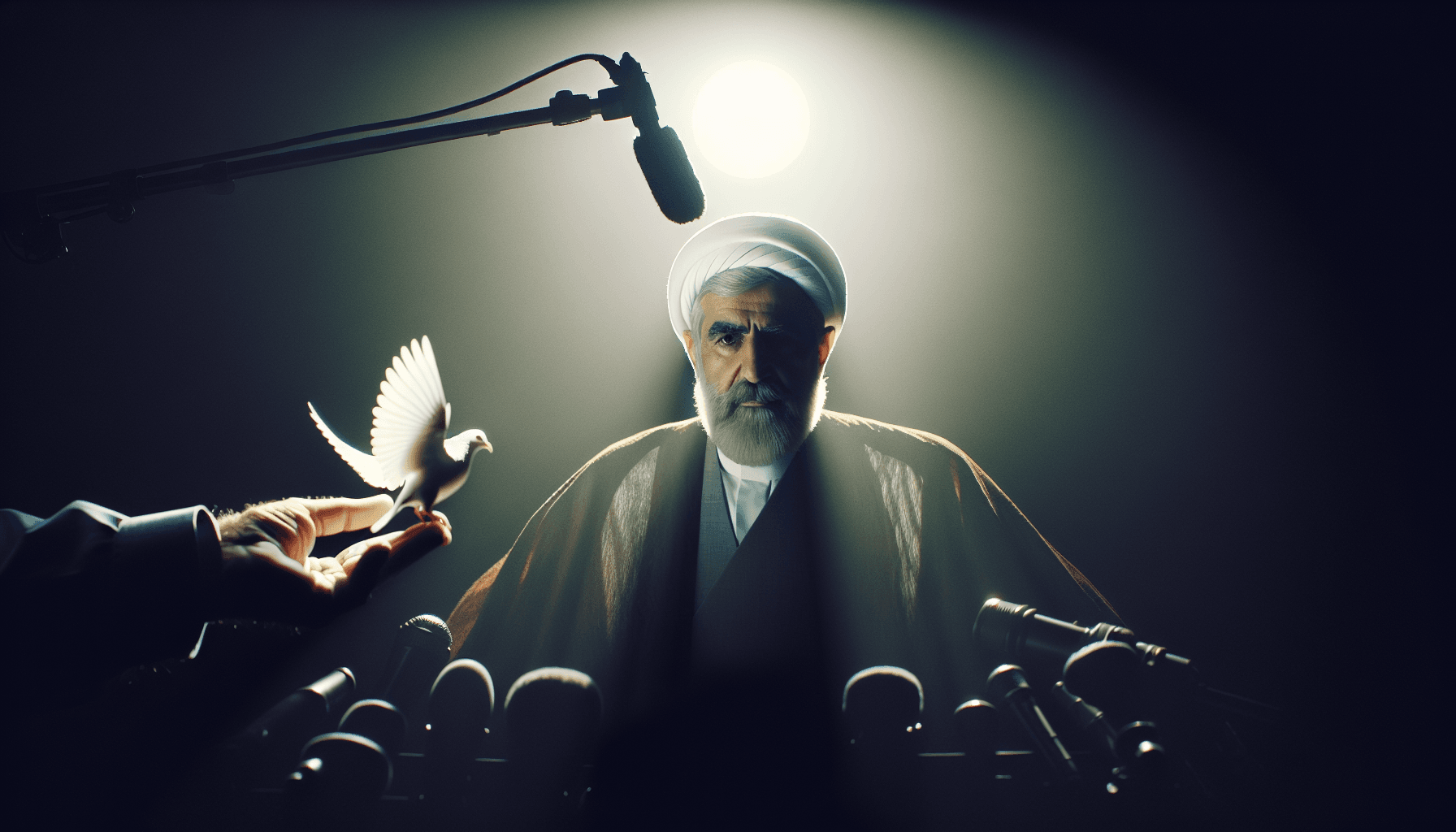
Iran's New Leader Walks Delicate Diplomatic Tightrope
Mojtaba Khamenei, the newly appointed Supreme Leader of Iran, is navigating a precarious path, calling for compensation and asserting his nation's rights while also expressing a desire to avoid war with the US and Israel. This nuanced stance comes as Iran emerges from the shadow of a devastating conflict that claimed the life of his father, Ayatollah Ali Khamenei. In written declarations, read out on state TV, Mojtaba Khamenei has stated that Iran "does not want war" but will protect its rights as a nation. The question remains, how will the US and Israel respond to this cautious approach, and what implications will it have for the fragile two-week ceasefire and potential peace negotiations.
The current situation is set against the backdrop of heightened tensions between Iran, the US, and Israel, with a recent conflict resulting in the death of Ayatollah Ali Khamenei and injuries to his son. The geopolitical landscape is complex, with various regional players and alliances involved, including Hezbollah in Lebanon. Understanding the historical context of these relationships and the current power dynamics is crucial to grasping the implications of Mojtaba Khamenei's statements.
As Iran navigates this delicate diplomatic landscape, Mojtaba Khamenei's leadership style and approach to diplomacy are being closely watched. His calls for compensation and assertion of Iran's rights are seen as a significant departure from his father's more hardline stance. The two-week ceasefire, announced after US President Donald Trump threatened Iran with "annihilation," has provided a temporary reprieve from the violence, but the situation remains volatile. Mojtaba Khamenei has called on Iranians to continue making their voices heard in public squares, as their influence can impact the outcome of negotiations. The involvement of regional players, such as Hezbollah, adds an additional layer of complexity to the situation, with Israel currently fighting the group in Lebanon.
The conflict and subsequent diplomatic efforts have significant implications for the people of Iran, who are likely anxious about the possibility of further violence and the economic impact of sanctions and war. Iranian civilians may be concerned about access to basic necessities like food and medicine, which could be affected by the conflict and any resulting sanctions. The families of those killed or injured in the conflict, including the Khamenei family, are directly affected by the loss and trauma. As Mojtaba Khamenei continues to chart a cautious course, the world waits with bated breath to see how the US and Israel will respond to his calls for compensation and his assertion of Iran's rights.
The outcome of the peace negotiations and the future of the region hang in the balance, as Mojtaba Khamenei's leadership style and approach to diplomacy will have far-reaching implications for Iran's relationships with other nations. The next few weeks will be crucial in determining the course of history, as the world watches to see if Iran and its adversaries can find a path to peace, or if the region will be plunged into further violence and instability.