

Iran Emerges From Cease-Fire, Uncertain Future Ahead
As the fragile cease-fire takes hold, Iranians are cautiously emerging from the rubble of a devastating war, their relief tempered by trepidation about the future. The theocratic government, bolstered by its survival of the U.S.-Israeli onslaught, claims victory, but the Iranian people are left to wonder if this respite will be followed by a crackdown on domestic critics. The war has left deep scars, with many struggling to access basic necessities like food, water, and healthcare, and the government's next move will be crucial in determining the country's trajectory.
The conflict in Iran is rooted in a complex web of political, economic, and social factors, including the country's theocratic government and its relationships with other countries. The war has been fueled by regional and global tensions, and the aspirations of the Iranian people for change and reform have been put on hold. As the dust settles, Iranians are assessing the damage and looking to their government for leadership, but many are skeptical about its ability to negotiate a lasting peace.
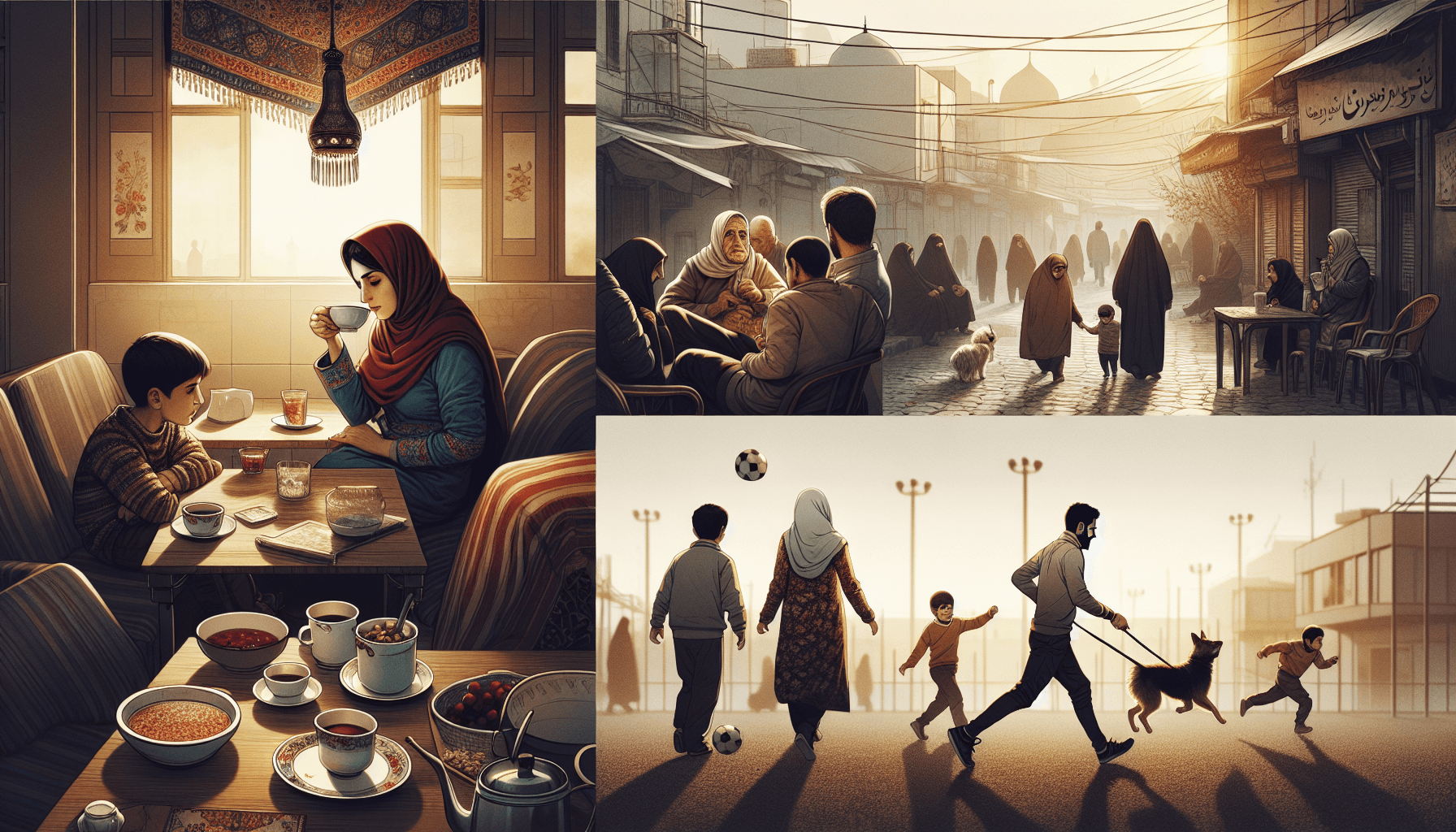
The human impact of the war has been devastating, with ordinary Iranians forced to endure food and water shortages, power outages, and a lack of access to basic healthcare. Many have been displaced from their homes, and some have lost loved ones in the fighting. A young mother in Tehran, for example, may be struggling to feed her children, while a retired teacher in Isfahan may be worried about the impact of the war on his pension and ability to access healthcare. The cease-fire has brought a measure of relief, but the long-term consequences of the war will be felt for years to come. The Iranian economy is battered, the infrastructure is in shambles, and the country's relationships with other nations are strained. The government's response to domestic critics will be a key indicator of its intentions, and many fear that the cease-fire will be followed by a wave of repression.
As the international community watches, Iranians are holding their breath, waiting to see if their government will use this opportunity to reform and rebuild, or if it will revert to its old ways. The prospects for lasting peace and reform are uncertain, and the role of the international community will be crucial in supporting or hindering these efforts. One thing is clear, however: the Iranian people will not be silenced, and their hopes for change and reform will continue to simmer, waiting for the opportunity to boil over into action.
The future of Iran hangs in the balance, and the next few weeks will be crucial in determining the country's trajectory. Will the government use this cease-fire as an opportunity to reform and rebuild, or will it crack down on domestic critics and continue down a path of repression? Only time will tell, but one thing is certain: the Iranian people will be watching, and waiting, for a chance to shape their own destiny.