

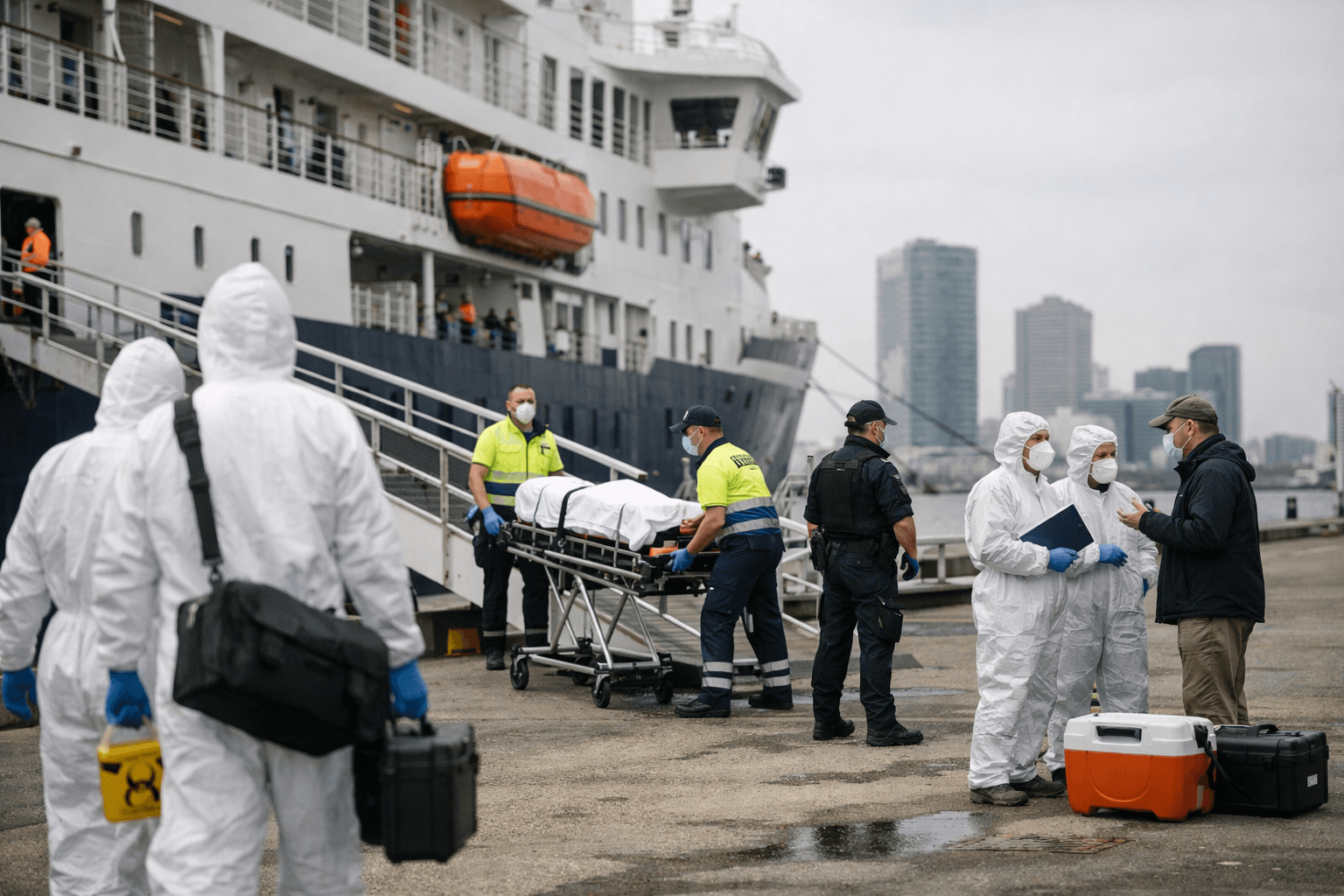
A devastating hantavirus outbreak on the MV Hondius cruise ship has left three passengers dead and sparked a global health alert, with a scientific mission now underway to uncover the source of the virus. The ship, operated by Dutch company Oceanwide Expeditions, docked in Rotterdam, Netherlands, where it will undergo thorough cleaning and disinfection procedures. As the investigation unfolds, concerns are growing about the safety of cruise travel and the potential for further outbreaks. The hunt for the source of the virus has led scientists to Tierra del Fuego, where the ship departed from, in search of rodents that may be carrying the deadly virus. The hantavirus outbreak has raised concerns about the spread of the virus, particularly given that it is the Andes strain, which can be transmitted between people. The World Health Organization has reassured the public that the outbreak is not a repeat of the Covid pandemic, but the incident has highlighted the need for vigilance and effective safety protocols on cruise ships. The ship's crew and medical staff, comprising 17 individuals from the Philippines, four from the Netherlands, four from Ukraine, one from Russia, and one from Poland, will face weeks of quarantine after disembarking. The MV Hondius was carrying 120 passengers and crew when the outbreak occurred, with some being hospitalized and others self-isolating, including 18 Americans who remain in quarantine. A Canadian passenger has now tested positive for the virus, and a 65-year-old French woman was hospitalized in critical condition after becoming symptomatic on a repatriation flight. The incident has had a significant human impact, with the families of those affected anxiously waiting for news of their loved ones' conditions. The local community in Tierra del Fuego is also affected, with concerns about the potential impact on the tourism industry. Scientists are now searching for rodents in the region that may be carrying the virus, in an effort to determine whether the passengers contracted the virus on land or on the ship.
The investigation into the outbreak is ongoing, with scientists working to determine the source of the virus and how it was transmitted to the passengers. The cruise ship industry will likely face increased scrutiny in the coming weeks, with calls for improved safety protocols and increased vigilance to prevent similar outbreaks in the future. The incident has also raised concerns about the potential economic impact on the tourism industry in Tierra del Fuego, with local businesses and tour operators bracing for a potential decline in visitor numbers. As the situation continues to unfold, one thing is clear: the hantavirus outbreak on the MV Hondius has sparked a global health alert, and the consequences will be far-reaching.
The outcome of the investigation will have significant implications for the cruise ship industry and the local community in Tierra del Fuego. If the virus is found to have been contracted on land, it could lead to increased measures to control the rodent population in the region, and potentially impact the tourism industry. On the other hand, if the virus was contracted on the ship, it could lead to increased scrutiny of cruise ship safety protocols and increased measures to prevent similar outbreaks in the future. As the world waits for answers, one thing is certain: the hantavirus outbreak on the MV Hondius has sparked a global health alert, and the consequences will be felt for weeks to come.