

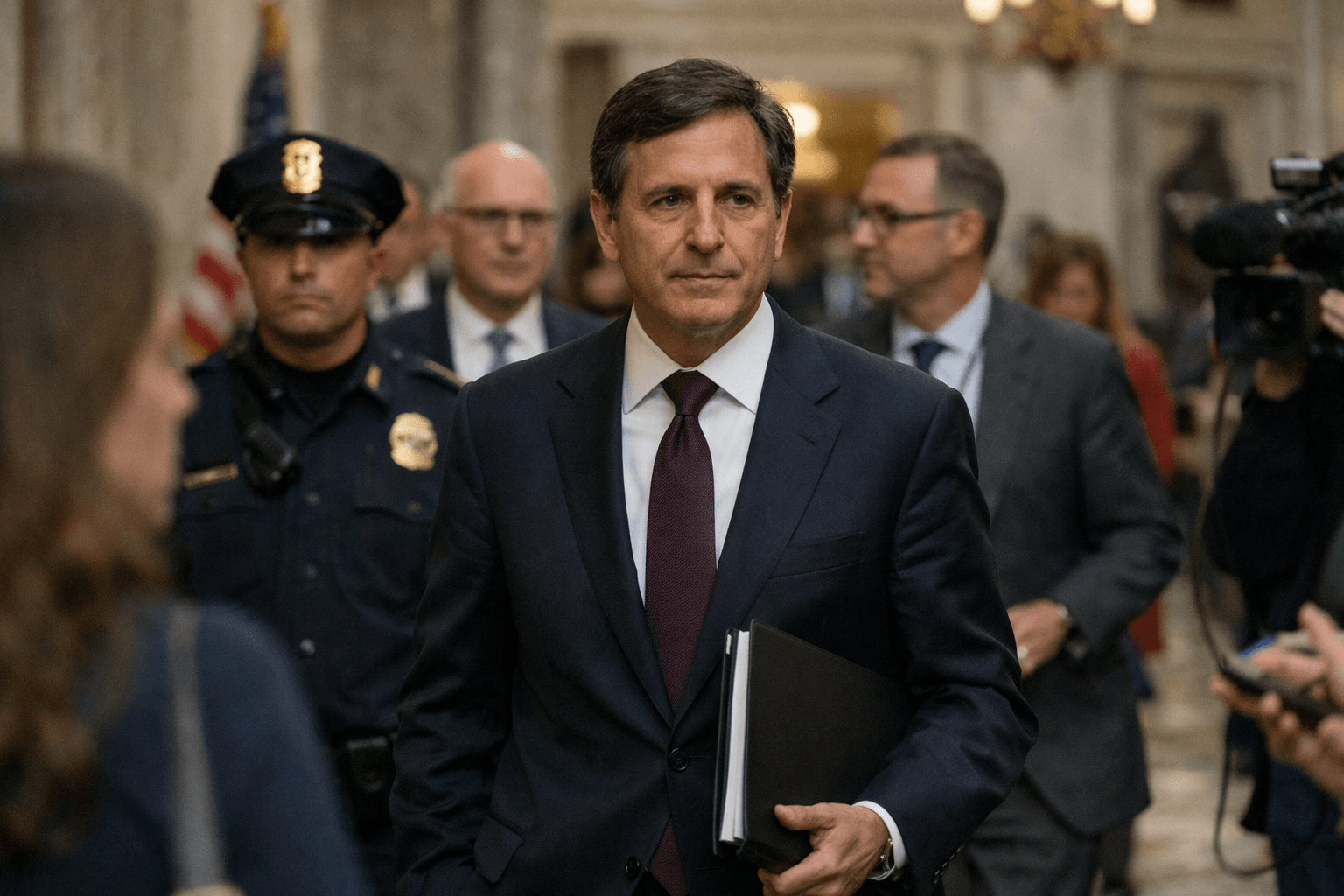
In a historic and highly divisive vote, Kevin Warsh has been confirmed as the next Federal Reserve chair, setting the stage for a potentially tumultuous tenure as he navigates the challenges of rising inflation, interest rate changes, and political pressures. With the fewest votes of any Fed chair in history, Warsh's appointment has raised questions about his ability to effectively lead the central bank. As he prepares to take the reins, Warsh will face intense scrutiny over his plans to address the growing inflation rate, which has sparked concerns among consumers, businesses, and investors. The Federal Reserve plays a crucial role in shaping the US economy through monetary policy, including setting interest rates and regulating the money supply. The appointment of a new Fed chair can have significant implications for the economy, financial markets, and consumers. With the current economic context marked by rising inflation and potential interest rate changes, Warsh's appointment takes on added significance.
Warsh's leadership style and policy views are expected to differ from those of his predecessor, Jerome Powell. He has argued that there is room for the central bank to lower interest rates, a stance that may prove challenging given the current inflation rate. This approach could lead to significant changes in the Fed's approach to monetary policy, with potential implications for consumers, businesses, and investors. For example, lower interest rates could lead to increased borrowing and spending, but may also exacerbate inflationary pressures. On the other hand, higher interest rates could help combat inflation, but may also slow economic growth and lead to job losses.
As Warsh navigates the complexities of monetary policy, he will also face political pressures from lawmakers and other stakeholders. His contentious confirmation process has set the tone for a potentially difficult tenure, with some lawmakers expressing concerns over his ability to lead the Fed effectively. Despite these challenges, Warsh has pledged to work closely with lawmakers and other stakeholders to implement his policy agenda. The success of his tenure will depend on his ability to balance competing interests and make difficult decisions about interest rates and monetary policy.
The impact of Warsh's appointment will be felt across the economy, from consumers and businesses to investors and workers. As he takes the helm of the Fed, Warsh will face intense pressure to address rising inflation and make tough decisions about interest rates. The outcome will have significant implications for the US economy, and the world will be watching as Warsh navigates the challenges ahead. With the economy at a critical juncture, Warsh's leadership will be tested in the months and years to come, and the consequences of his decisions will be far-reaching.